

OCD & Intrusive Thoughts Therapy in Utah
When Your Mind Demands Certainty
You have thoughts you don't want.
Thoughts that feel disturbing. Out of character. Sometimes even frightening.
And no matter how hard you try to ignore them, analyze them, or make sense of them...
They keep coming back.
So you try to:
Figure them out
Make sure they don't mean anything
Mentally check whether you're a good person
Replay events in your head
Avoid situations that might trigger them
Seek reassurance from yourself or other people
For a moment, it helps. Then the doubt comes back. And the loop starts all over again.
What OCD and Intrusive Thoughts Actually Are
When most people think of OCD, they picture visible compulsions.
Hand washing.
Checking locks.
Organizing things perfectly.
But much of OCD happens internally.
It can look like:
Unwanted intrusive thoughts
Mental checking or reviewing
Replaying conversations
Constantly analyzing your reactions
Seeking certainty about who you are
Reassurance-seeking
Avoidance of people, situations, or decisions
Feeling trapped in doubt even when things "should" feel clear
The content of the thought isn't actually the problem. The problem is the relationship you get pulled into with it.
Because once OCD labels a thought as important, it starts demanding certainty. And certainty is something it never allows you to fully achieve.
A Different Approach to OCD
Many people spend years trying to eliminate intrusive thoughts.
Unfortunately, that's often part of what keeps them stuck.
At Second Draft Psychotherapy, our work is grounded primarily in Acceptance and Commitment Therapy (ACT), with Exposure and Response Prevention (ERP) integrated where helpful.
Instead of teaching you how to win arguments with your mind, we help you develop a different relationship with it.
ACT helps you:
Step back from thoughts instead of getting pulled into them
Build willingness to experience uncertainty
Make room for difficult emotions
Reconnect with what matters most
Take action based on your values instead of fear
ERP helps you:
Gradually face triggers and feared situations
Reduce compulsive behaviors
Step out of reassurance-seeking and checking
Retrain your brain to stop treating thoughts as threats
The goal isn't simply to reduce anxiety. It's to help you build a life that feels meaningful enough that anxiety stops being in charge.

Work With a Therapist Who Understands OCD
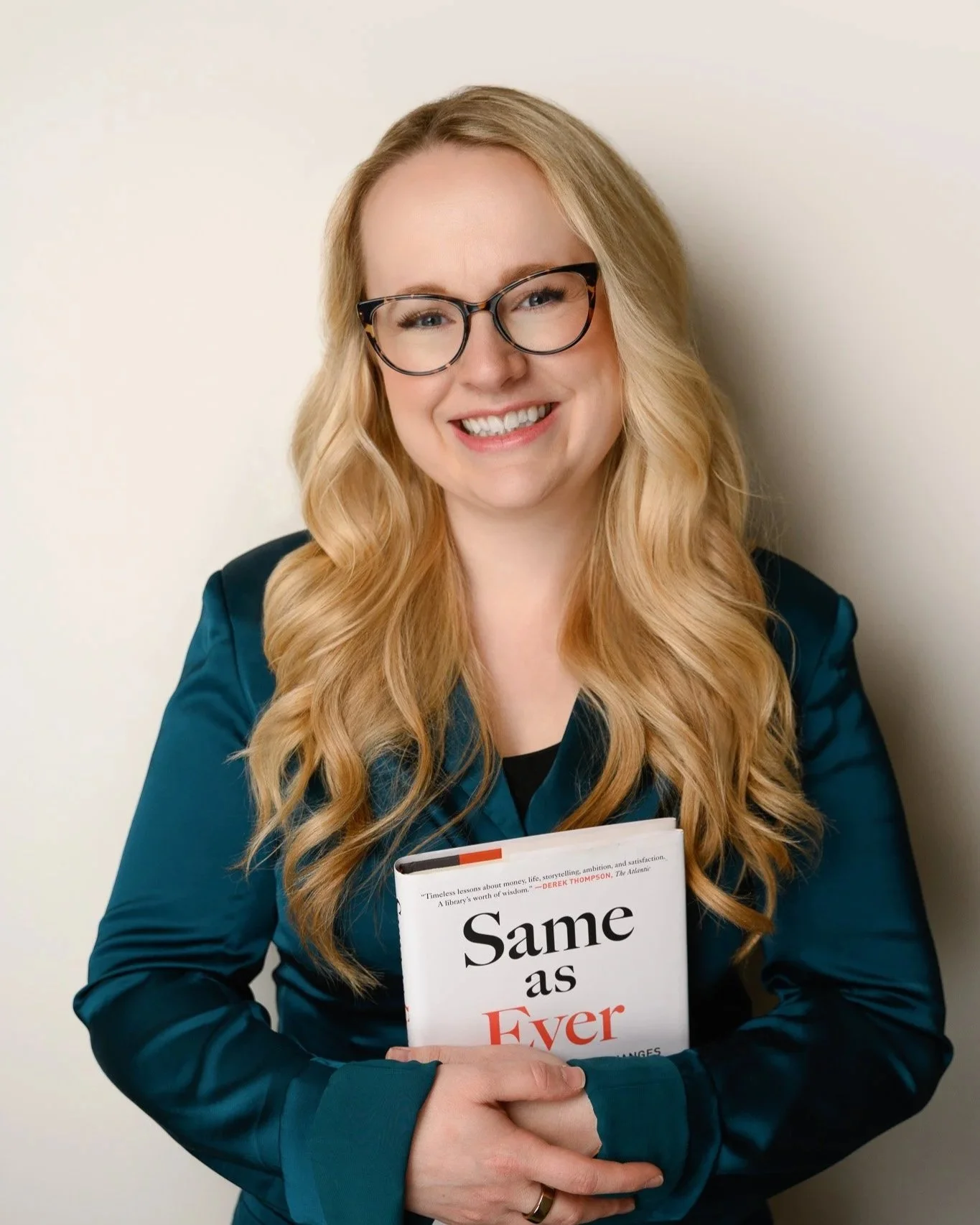
April O'Neill, LCSW
I help people who feel trapped in anxiety, intrusive thoughts, overthinking, and compulsive patterns build a different relationship with their minds. My approach focuses on helping people stop organizing their lives around fear and start moving toward what matters most.
Specialties
OCD & Intrusive Thoughts
High-Functioning Anxiety
Compulsive Behaviors

OCD Therapy in Utah
We offer online and in-person therapy for adults across Utah.
53-minute sessions
Secure telehealth
$175 per session
We are in-network with select insurance plans and also support out-of-network insurance reimbursement through a tool called Thrizer.
In-network with select plans, including:







Coverage varies by therapist and plan. We’ll verify your benefits before your first session.

What our sessions could look like
Therapy for OCD is different than traditional talk therapy.
This is active, structured work designed to help you step out of the patterns that keep you stuck.
As these skills grow, many clients experience less fear, less urgency, and more freedom to engage fully in their lives.
The thoughts may still be there.
But they no longer run the show.
Together, we'll:
Notice and interrupt compulsive patterns
Reduce reassurance-seeking and checking
Respond differently to intrusive thoughts
Build tolerance for uncertainty
Reduce avoidance and safety behaviors
Reconnect with what matters most
Frequently Asked Questions
-
That’s incredibly common with OCD. In fact, intrusive thoughts often target what you care about most. Having a thought does not mean you agree with it or would act on it.
-
No. Many people struggle with intrusive thoughts and compulsive patterns without a formal diagnosis. We focus on what's actually happening, not just labels.
-
The goal isn't to eliminate thoughts. It's to change your relationship with them so they stop controlling your attention, decisions, and behavior.
-
Many people have. These patterns can become deeply ingrained, but they are also highly workable with the right approach.
-
Yes. ERP is integrated when helpful, but it's guided by broader principles of flexibility, willingness, and values-based action rather than simply forcing yourself through anxiety.
Have more questions? We’re happy to help.

Ready to Step Out of the Loop?
If you're tired of analyzing, checking, seeking reassurance, and second-guessing everything, you don’t have to keep fighting your mind alone.
Let’s find a different way forward—together.