
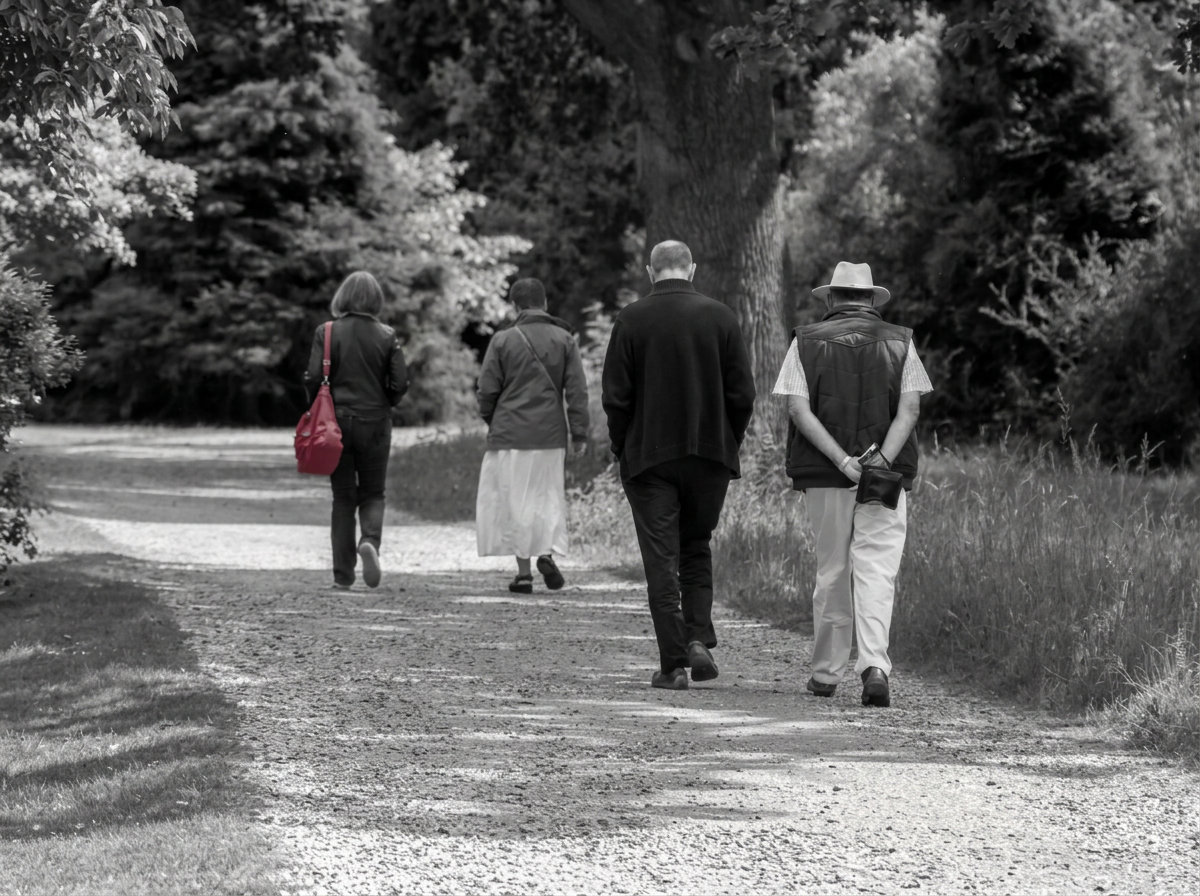
Grief Therapy in Utah
When Life Doesn't Look the Way You Expected
Something important is missing.
Maybe someone you love died. Maybe a relationship ended. Maybe your life changed in a way you never wanted or expected.
And somehow, the rest of the world keeps moving.
People go to work. Make plans. Talk about ordinary things.
But your life doesn't feel quite the same.
Maybe you feel sad, angry, guilty, or completely numb.
Maybe you have moments when you feel okay, only to feel overwhelmed again.
So you try to:
Stay busy so you don't have time to think about what's missing
Make sense of why things happened the way they did
Replay conversations or wonder what you could have done differently
Avoid reminders that bring up painful emotions
Tell yourself you should be handling things better
Push yourself to move on because life isn't going to stop
Sometimes, you manage to keep going.
Other times, the grief catches up with you.
And you're left wondering how to move forward when life isn't what it used to be.
What Grief Actually Looks Like
When most people think about grief, they think about sadness after someone dies.
And grief can certainly look like that.
But grief isn't limited to death.
We can grieve relationships, opportunities, identities, experiences, and futures we thought we would have.
Sometimes grief follows a sudden loss. Other times, it develops gradually as life changes in ways we never anticipated.
It can look like:
Feeling waves of sadness, anger, guilt, or regret
Missing someone while also having complicated feelings about them
Replaying what happened or wondering what you could have done differently
Feeling disconnected from people who don't seem to understand
Struggling with changes in your identity, relationships, or daily routines
Feeling guilty when you experience happiness or begin moving forward
Avoiding reminders of what you've lost
Wondering whether life will ever feel meaningful again
Grief doesn't follow a predictable timeline.
And it doesn't always move neatly through stages.
It's a response to losing something that mattered to you.
The goal isn't to make that loss insignificant.
It's to find a way to carry what matters while continuing to build a meaningful life.

A Different Approach to Grief Therapy
When you're grieving, people often want to help you feel better.
They might encourage you to stay positive, focus on the good memories, or give yourself time.
And while those intentions may be kind, grief isn't always something that gets better simply because enough time passes.
Sometimes the harder you try to stop feeling the loss, the more your life begins to revolve around avoiding it.
At Second Draft Psychotherapy, we use Acceptance and Commitment Therapy (ACT) alongside other evidence-based approaches to help you navigate grief without treating your emotions as problems that need to be fixed.
ACT helps you:
Make room for painful emotions without feeling consumed by them
Step back from guilt, regret, and painful thoughts
Reduce avoidance of memories, feelings, and experiences
Reconnect with your values and what matters most
Take meaningful steps forward, even when grief is still present
Grief-focused therapy can also help you:
Make sense of your loss and how it has changed your life
Navigate complicated or conflicting emotions
Adjust to changes in relationships, routines, and identity
Find ways to maintain meaningful connections with what you've lost
Explore what moving forward might look like for you
Moving forward doesn't mean forgetting.
It doesn't mean you stop missing someone or that what happened no longer matters.
It means learning how to make room for your grief without allowing it to determine every part of your life.
You can carry what you've lost and still create a life worth living.

Work With a Therapist Who Understands Grief
Genna Howard, ACHMC
I help people navigate grief, loss, and difficult life transitions with compassion, curiosity, and practical support. My approach focuses on creating space for the emotions that come with loss while helping you reconnect with your strengths, values, and sense of meaning.
I believe grief doesn't need to be rushed or fixed. Together, we can explore what you've experienced and find a way forward that honors what matters to you.
Specialties
Grief & Loss
OCD & Intrusive Thoughts
Anxiety

Therapy for Grief in Utah
We offer online and in-person therapy for adults across Utah.
53-minute sessions
Secure telehealth
$175 per session
We are in-network with select insurance plans and also support out-of-network insurance reimbursement through a tool called Thrizer.
In-network with select plans, including:







Coverage varies by therapist and plan. We’ll verify your benefits before your first session.

What our sessions could look like
Grief therapy is different than simply having a place to talk about your loss.
This is collaborative work designed to help you understand your grief, navigate difficult emotions, and find ways to move forward without feeling like you're leaving something important behind.
Depending on your needs, sessions may focus on processing the emotions surrounding your loss, adjusting to changes in your life, or exploring the thoughts and patterns that may be keeping you stuck.
As the work progresses, you may find yourself better able to experience grief without feeling overwhelmed by it, reconnect with meaningful parts of your life, and approach the future with greater flexibility.
You may still miss what you've lost.
But missing it doesn't have to mean putting the rest of your life on hold.
Together, we'll:
Explore your loss and how it has affected your life
Make room for sadness, anger, guilt, and other difficult emotions
Notice patterns of avoidance, rumination, or self-blame
Navigate changes in relationships, identity, and daily life
Reconnect with your values and sources of meaning
Find ways to move forward while honoring what you've lost
Frequently Asked Questions
-
No. Grief can follow many kinds of losses, including divorce, relationship changes, infertility, health changes, career transitions, or the loss of a future you imagined. If something important has changed or been taken away, your grief deserves attention.
-
Grief looks different for everyone. Some people experience intense sadness, while others feel anger, numbness, guilt, or even relief. There isn't one correct way to grieve. If your grief is affecting your daily life or you're struggling to navigate it, therapy can help.
-
The goal of grief therapy isn't to make you forget or stop caring about what you've lost. Instead, therapy can help you develop a different relationship with your grief so you can continue engaging with your life while honoring what matters to you.
-
That's okay. Grief doesn't always come with uncomplicated love or happy memories. You might feel sadness, anger, resentment, guilt, or relief, sometimes all at once. Therapy provides space to explore those emotions without judgment.
-
You don't have to be. Grief therapy isn't about pushing you toward acceptance or making you move on before you're ready. We'll work at a pace that respects your experience while helping you find ways to navigate life as it is today.
Have more questions? We’re happy to help.

Ready to Find a Way Forward?
You don't have to forget what you've lost or stop missing what mattered.
There is room for your grief and for the life you still want to live.
Let's find a different way forward, together.